Notes from the watch floor
Blog
 How to keep a site baseline valid when your imagery provider switches satellites
A provider's sensor swap can wreck a pixel-diff baseline. Here's what changes, what doesn't, and how to keep anomaly flags honest across the switch.
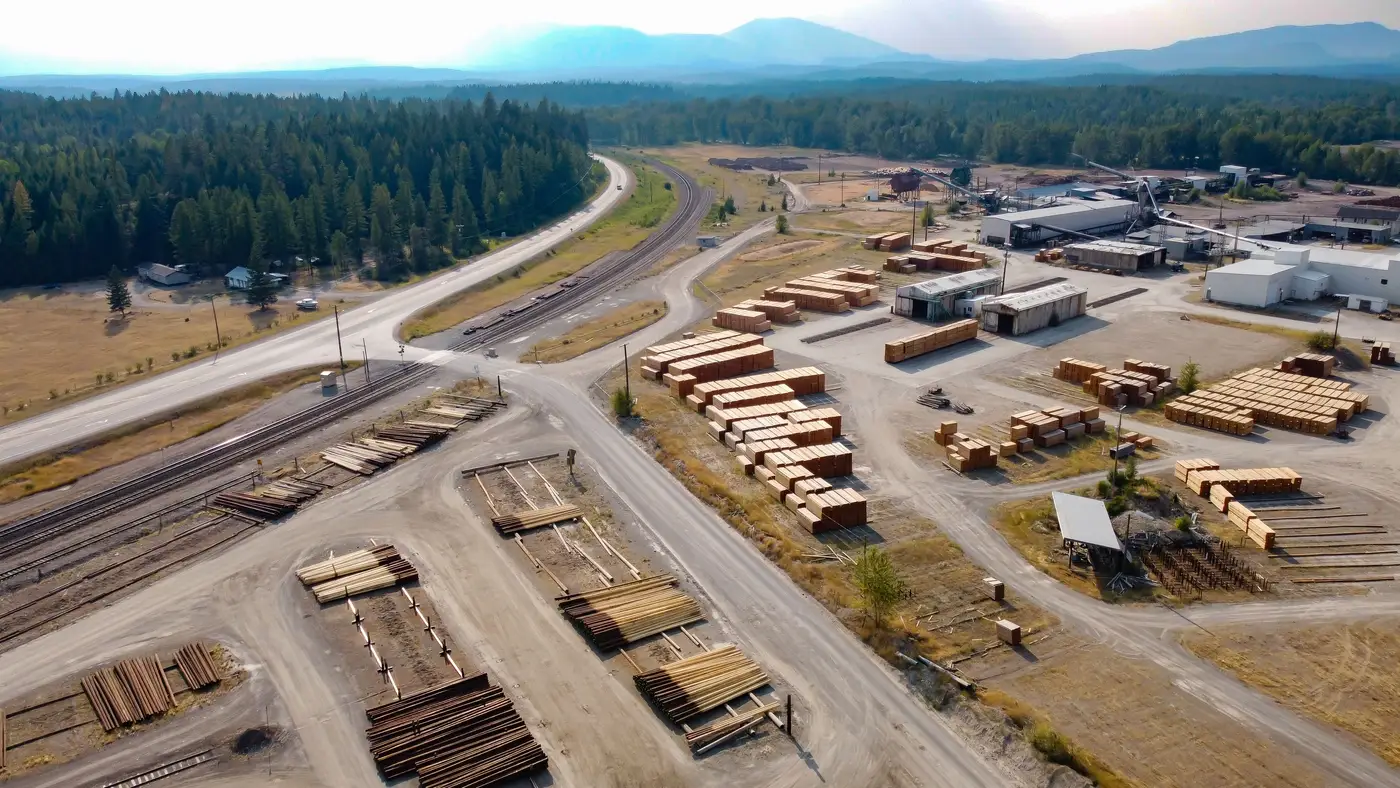 What an EEI does to a site watch list
What an essential element of information is, how it turns into collection requirements, and why it decides what stays on a site watch list.
- Field notes: the roof got repainted, and the baseline nearly got thrown out
A repainted roof lit up a three-year baseline like day one. The right call was recalibrating it, not scrapping the history behind it.
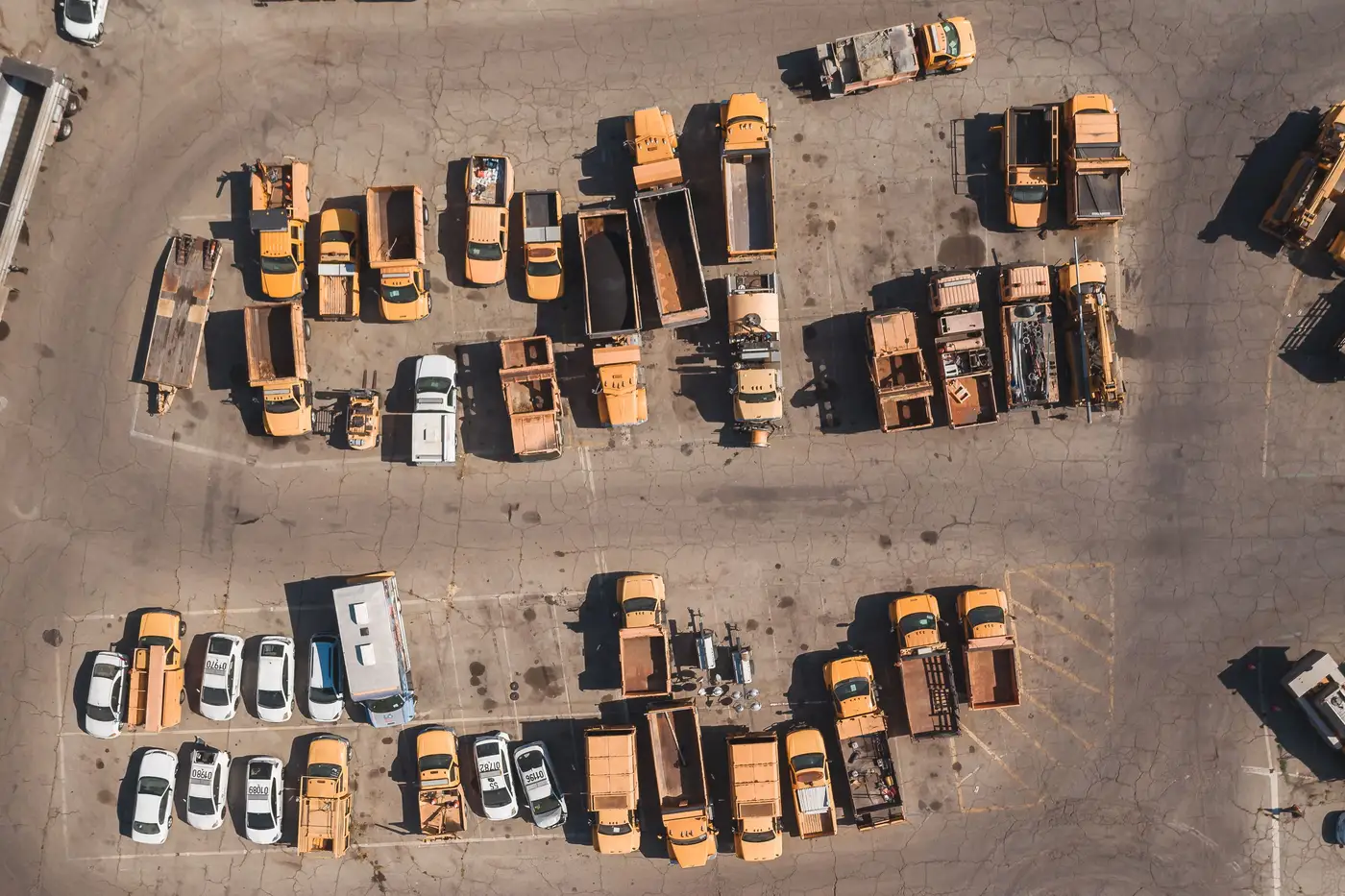 What is a dwell-time baseline, and why it beats a single headcount
A single vehicle count from one pass tells you almost nothing. A dwell-time baseline shows whether that count is normal for the site.
 Single-pass tasking vs repeat-pass baseline monitoring on a named site
Why a single tasked pass can't flag what's changed at a site, and what repeat-pass baseline monitoring does differently.
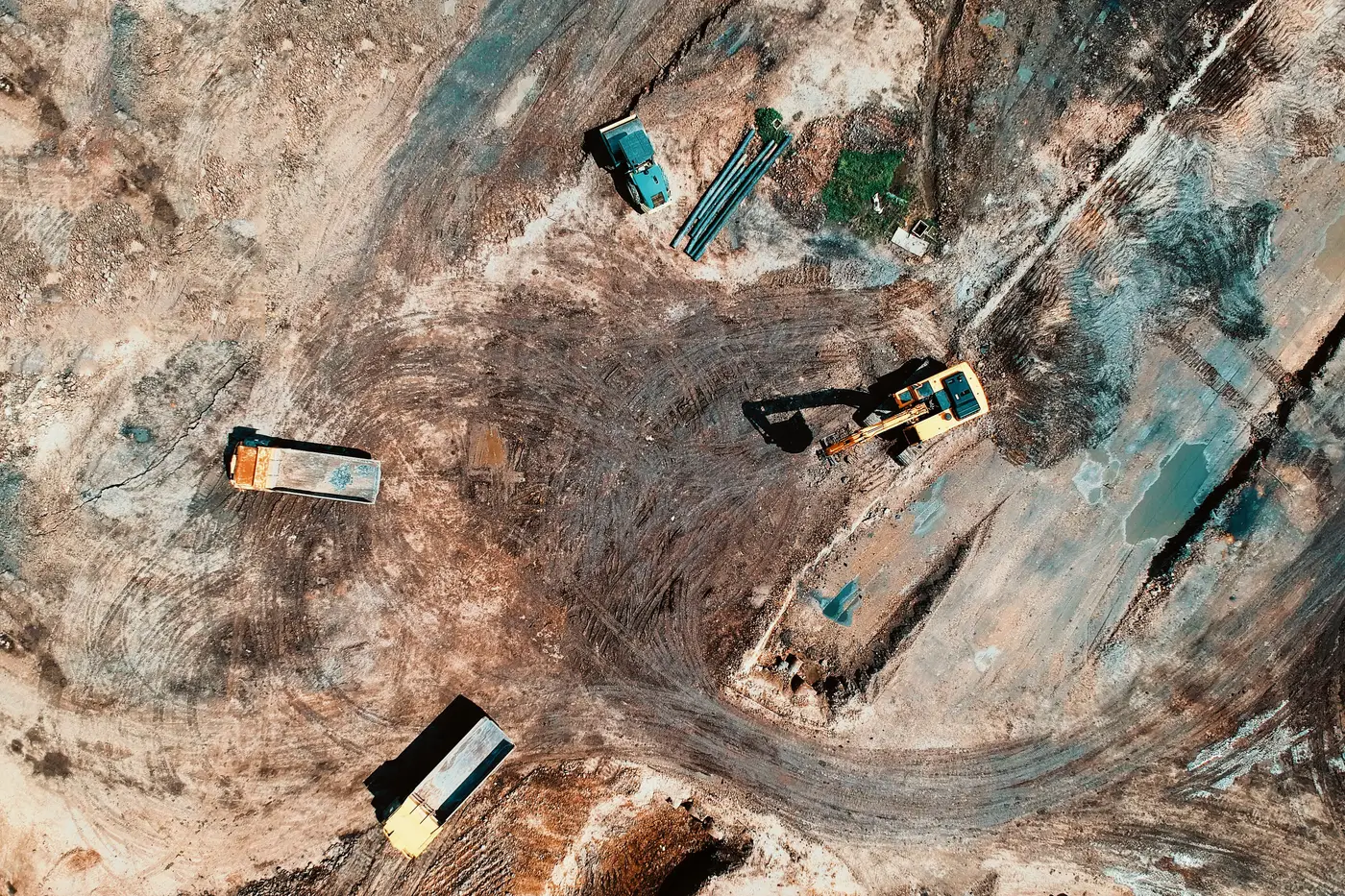 Activity tempo: what counts as normal at a site, and when it shifts
A plain-language look at activity tempo, why it defines a site's normal baseline, and how to tell a real tempo shift from routine noise.
- The morning the site went quiet
A field note on absence as an indicator: when the usual clutter at a site disappears, the empty frame can be the finding.
- Baseline refresh: when a flagged change becomes the new normal
How to decide when a confirmed change at a site stops being an anomaly and gets folded into the pattern-of-life baseline.
 How to caveat an anomaly call in imagery analysis
A working guide to confidence language for anomaly calls: probable vs possible, when to hedge, and how a comparison history changes the wording.
- What is a named area of interest in imagery intelligence?
A plain explanation of what a named area of interest is, how it differs from a general AOI, and why the boundary you draw decides what your baseline can see.
- Field notes: the week the baseline held and nothing happened
A field-notes essay on the quiet shift: the week a baseline held and nothing happened still counts as real intel work.
- What counts as normal variance in a site activity baseline
A working definition of normal variance in pattern-of-life baselining, and how to separate noise floor from a real anomaly flag.
- Normalizing a site baseline for day-of-week activity
How to build a day-of-week site baseline that separates real weekday/weekend and shift-change rhythm from actual anomalies.
 What is an indicator and warning (I&W) in imagery intelligence?
What an indicator and warning (I&W) is in imagery intelligence, why indicators need a site baseline, and where I&W review workflows break down.
- How to tell a scheduled drill from a real activity surge
Why one VHR pass can't separate a routine exercise cycle from a genuine surge, and what a recurring-pattern baseline shows that a single look can't.
- What is denial and deception in satellite imagery analysis?
What denial and deception mean in satellite imagery analysis, and why the real D&D indicators show up across repeat passes, not a single frame.
- Change detection vs. anomaly detection for imagery analysts
Change detection and anomaly detection solve different problems in imagery review. A breakdown of when to use each, and why baselines matter.
- How many days of imagery before a site baseline is reliable
How many days of VHR imagery it takes before a site baseline stops moving and starts catching real deviations.
- How to set alert thresholds for site change detection
A working method for tuning anomaly alerts against a real site baseline, so fewer false positives clog the imagery review queue.
- Seasonal change vs. real anomaly: a field guide for analysts
A field guide for imagery analysts on separating seasonal drift and shadow artifacts from genuine site anomalies, using a multi-pass baseline.