What an EEI does to a site watch list
What an essential element of information is, how it turns into collection requirements, and why it decides what stays on a site watch list.
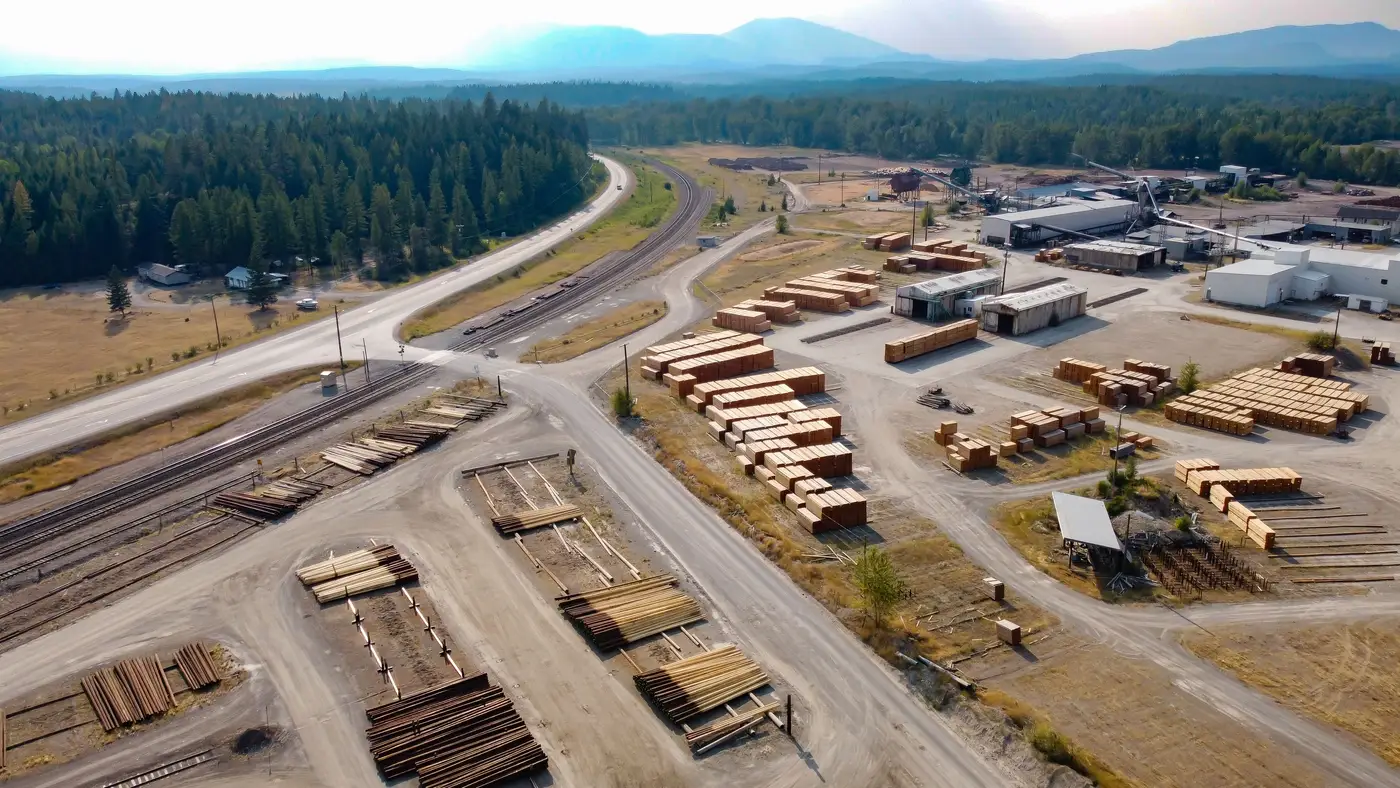
An essential element of information is the specific question that has to get answered before someone above you can make a call. Not a general interest, a question. "Has the PIR on adversary logistics been answered" breaks down into something like "is throughput at this transload yard increasing," and that EEI is what puts a site on your watch list in the first place.
Analysts who've sat a watch desk know the chain by heart. A commander's PIR sits at the top, broad and decision-focused. It breaks into EEIs, each one a discrete piece of information needed to answer that PIR. Each EEI breaks into indicators, the observable things you'd expect to see if the answer were yes. Indicators are what you collect against, and a site earns a slot on the watch list only because some EEI needs an indicator that site can supply.
From PIR to indicator, and why the site matters
Take a revetment at a known storage area. The PIR might be about force posture in a region. The EEI under it could be "is there evidence of resumed construction activity at known hardened sites." The indicators are the things a collector can go look for: new earthwork, vehicle staging near the perimeter, changes in the access road, material stockpiles that weren't there last month. None of those indicators mean anything on their own. What makes them meaningful is the comparison against what was normal at that exact site before.
This is where a lot of watch lists go soft. The site gets added for a good reason tied to a specific EEI, then over weeks the original question fades into the background. The entry becomes "keep an eye on this one," with nobody able to say what change would answer the EEI it was added for. Six months later an analyst is scrolling through imagery without a clear baseline for what's routine at that site and what isn't.
How the EEI sets your collection requirements
An EEI sets the collection requirement for the site as much as it justifies the entry in the first place. Vehicle density at a depot calls for enough cadence to tell routine turnover from a buildup, usually daily or near-daily looks rather than a monthly tasking. A new structure footprint needs resolution fine enough to catch a foundation pour before the walls go up. Activity at a loading dock makes time of day matter as much as the pass itself. A collection requirement that doesn't trace back to a stated EEI is just a standing tasking nobody can defend when the next priority fight comes around.
This is also why EEIs should get revisited on a cycle, not set once and left. A site added because of a construction EEI eighteen months ago, where construction finished a year ago, is sitting on the watch list under the wrong premise. The entry might still deserve monitoring, but under a different EEI now, operational tempo instead of construction, which changes what cadence and resolution you need.
What this means for daily review
None of this works without a record of what normal looked like at the site before the question was asked. An EEI about resumed activity is unanswerable if nobody can say what the site's baseline pattern was. That's the gap between having a well-written EEI and being able to act on it: you need a running baseline, built from repeat daily looks rather than a single pull, so that a change against the indicator shows up as a flagged deviation instead of getting lost in the stack of imagery waiting for review. Activity-Based Intel builds that baseline for a named site and checks each new pass against it.
If your EEIs are already tight and the bottleneck is just keeping daily eyes on the sites they point to, that's the part worth handing off.